- Legacy Planning, Reimagined™
- (310) 344.3015
- [email protected]

What Happens to All Your Stuff When You Die? (And Why Your Family Is Dreading It)
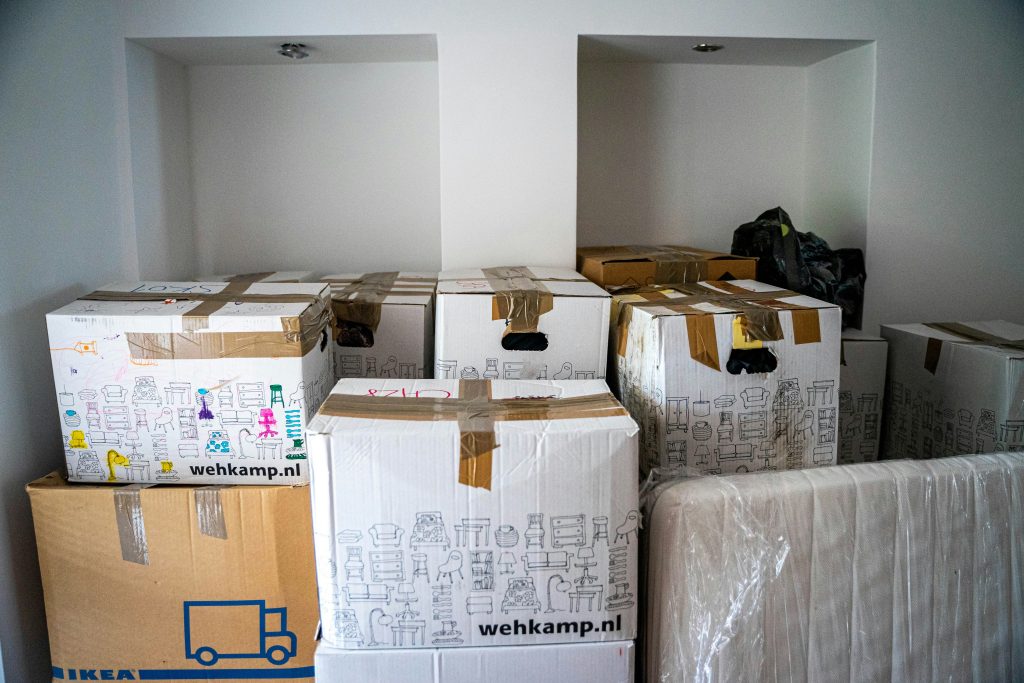
You step into your parents’ house for the first time since the funeral. Closets overflowing with years of clothing. Cabinets brimming with china that no one ever uses. A garage crammed with tools, holiday decorations, and boxes marked ‘miscellaneous.’ Drawers bursting with papers, keepsakes, and items whose importance you may never grasp. The challenge ahead seems insurmountable.
This situation unfolds in homes all over America daily. With an estimated $90 trillion in assets set to transfer from Baby Boomers and the Silent Generation to their heirs in the next twenty years, families are confronted not only with financial inheritances but also with an overwhelming amount of physical belongings to sort, distribute, donate, or throw away. Without your guidance, your loved ones could spend months or even years trying to determine what is significant, what holds value, and what you would have wanted them to do with everything.
Moreover, personal belongings are the leading cause of disputes when someone passes away. It’s not the bank account, the house, or the insurance policies. It’s the ‘stuff.’ The personal items that hold emotional or sentimental significance are what matter most to those left behind.
The silver lining? You can avert this daunting scenario through careful planning today. In this article, you will discover how to organize your possessions, express your wishes, and devise a plan that shields your family from being overwhelmed by belongings while safeguarding what truly counts.
Why You Should Have a Plan for Your Belongings Too
Many individuals believe that estate planning is solely about financial assets such as bank accounts, retirement savings, and real estate. However, your estate encompasses everything you own, from your grandmother’s engagement ring to that collection of vintage records tucked away in the basement. Without clear instructions regarding your personal belongings, you risk leaving your family in a state of confusion, conflict, and facing numerous tough decisions during an already challenging time.
Think about the emotional burden your loved ones will bear. They will sift through every drawer, uncertain if they are discarding something of significance. Disputes may arise over who inherits mom’s jewelry or dad’s tools. Family bonds can be strained over items that carry more emotional weight than financial value, simply because no one was aware of your wishes.
Typically, sorting through a lifetime of belongings can take anywhere from three to six months of dedicated effort. Your family will have to take time off work, make trips back and forth if they live far away, and make countless decisions about items they may have never encountered before.
In addition to the time and emotional strain, there is a genuine financial risk involved. Without appropriate guidance, valuable possessions could end up in donation bins. Collections amassed over many years might be sold for a fraction of their worth because no one understands their true value.
What about you? Have you recently walked through your home and envisioned your children or other heirs attempting to sort through everything? Have you thought about which items carry stories they are unaware of?
By planning ahead now, you can alleviate this overwhelming burden from your family and ensure that your possessions are seen as meaningful gifts rather than sources of stress and conflict.
Start the Discussion Before It’s Too Late
The ideal moment to discuss your belongings is when you’re in good health and can engage in meaningful dialogues about your possessions. Delaying this until a health emergency or after you’re gone takes away your ability to contribute to the conversation entirely.
Start by pinpointing items that hold special meaning. Go through your home room by room and make a note of anything that has emotional significance, financial value, or family heritage. That china set could have been a wedding gift from your great-grandmother. Those tools might have belonged to your father. Capture these stories now, while they are still fresh in your mind.
Next, have open discussions with your family about what they genuinely desire. Many individuals presume their children will cherish certain items, only to find out that their tastes and lifestyles differ. Your formal dining room set may not suit their smaller living space. Instead of making assumptions, directly inquire about what is meaningful to them.
Think about drafting a personal property memorandum as part of your estate planning. This document, which can be modified without needing to rewrite your entire will, specifies particular items and who should inherit them. Unlike attempting to divide everything in your will, which can be challenging to alter, a personal property memorandum offers flexibility as your belongings and relationships change.
These discussions might feel awkward initially, but they are crucial for avoiding future disputes and ensuring that your wishes are respected.
Make It Simpler By Taking Action Today
Begin with the items you’ve been holding onto. Those lovely dishes in the cabinet are meant to be used and appreciated, not kept behind glass. Wear the jewelry, utilize the silver, showcase the artwork. Build memories with your belongings instead of putting them away in storage.
Organize methodically by establishing four categories: keep and use, give away now, set aside for specific individuals, and throw away. The “give away now” category is especially impactful because you can witness the happiness your belongings bring to others while you are still around.
For items that may hold value, seek proper appraisals. Collections of coins, stamps, antiques, or artwork should be assessed by professionals. Keep a record of the appraisal and attach it to your estate planning documents so your family understands what they possess and can make educated choices.
Compile an inventory of your items that have stories or significance. A straightforward spreadsheet or notebook that lists important items, their backgrounds, and their intended recipients can save your family countless hours of confusion.
By taking these actions now, you turn what could be a daunting task into a manageable process for your loved ones.
How Thorough Estate Planning Shields Your Family From Burdens
Conventional estate planning frequently neglects personal belongings, concentrating instead on documents that only cover financial assets and real estate. However, your belongings warrant the same level of careful consideration.
Genuine protection for your family extends well beyond merely having a collection of documents prepared. Your loved ones require a thorough plan that takes into account both the legal elements of asset transfer and the practical challenges they will encounter after your passing. They need explicit instructions on where to locate essential documents, how to access accounts, and what initial steps to take. Most crucially, they need advice on how to manage your possessions while they are grieving and navigating the legalities of settling your estate. Should they conduct an estate sale? Donate to particular charities? Preserve certain items as a collection? These choices become significantly easier when you have provided clear guidance in your plan, rather than leaving your family to make guesses.
Additionally, you can capture the narratives behind your belongings in your estate plan, detailing why specific items are significant, sharing the history of collections, and passing on the memories tied to your possessions. When your family receives your grandmother’s ring, they will also inherit the story of how she wore it daily and its significance to your family. These narratives elevate possessions from mere “things” to treasured links to your memory.
Lastly, make it a point to review and update your plan regularly as your life and assets evolve. This will ensure that your plan remains effective over time and will not let your loved ones down when they need it the most.
How We Can Assist You
Your belongings tell your life story, but without adequate planning, they can turn into a heavy burden for your family. The decisions you make now and the discussions you have today will significantly impact how your family perceives your legacy.
We assist you in developing a thorough Life & Legacy Plan, ensuring that your loved ones avoid court disputes and have a reliable plan in place when they need it. Once your plan is established, you can feel at ease knowing that your wishes will be respected, your loved ones will be taken care of, and your assets will be safeguarded. We will also check in regularly to keep your plan current, relieving you of the stress of making necessary updates. After all, you have plenty to manage each day.
Schedule a complimentary 15-minute consultation to learn more.
This article is a service of Kristen Wong of Seasons Estate Planning, APC, a Personal Family Lawyer® Firm. We don’t just draft documents; we ensure you make informed and empowered decisions about life and death, for yourself and the people you love. That’s why we offer a Life & Legacy Planning Session™, during which you will get more financially organized than you’ve ever been before and make all the best choices for the people you love. You can begin by calling our office today to schedule a Life & Legacy Planning Session™.
The content is sourced from Personal Family Lawyer® for use by Personal Family Lawyer® firms, a source believed to be providing accurate information. This material was created for educational and informational purposes only and is not intended as ERISA, tax, legal, or investment advice. If you are seeking legal advice specific to your needs, such advice services must be obtained on your own separate from this educational material.